
The Future of Sustainable Warehousing in Lakeland: Trends to Watch
Embracing Green Technologies
The warehousing industry in Lakeland is on the brink of a transformation, with sustainability leading the charge. As businesses become more environmentally conscious, the integration of green technologies is crucial. From solar panels to energy-efficient lighting, warehouses are adopting innovations that significantly reduce their carbon footprint.
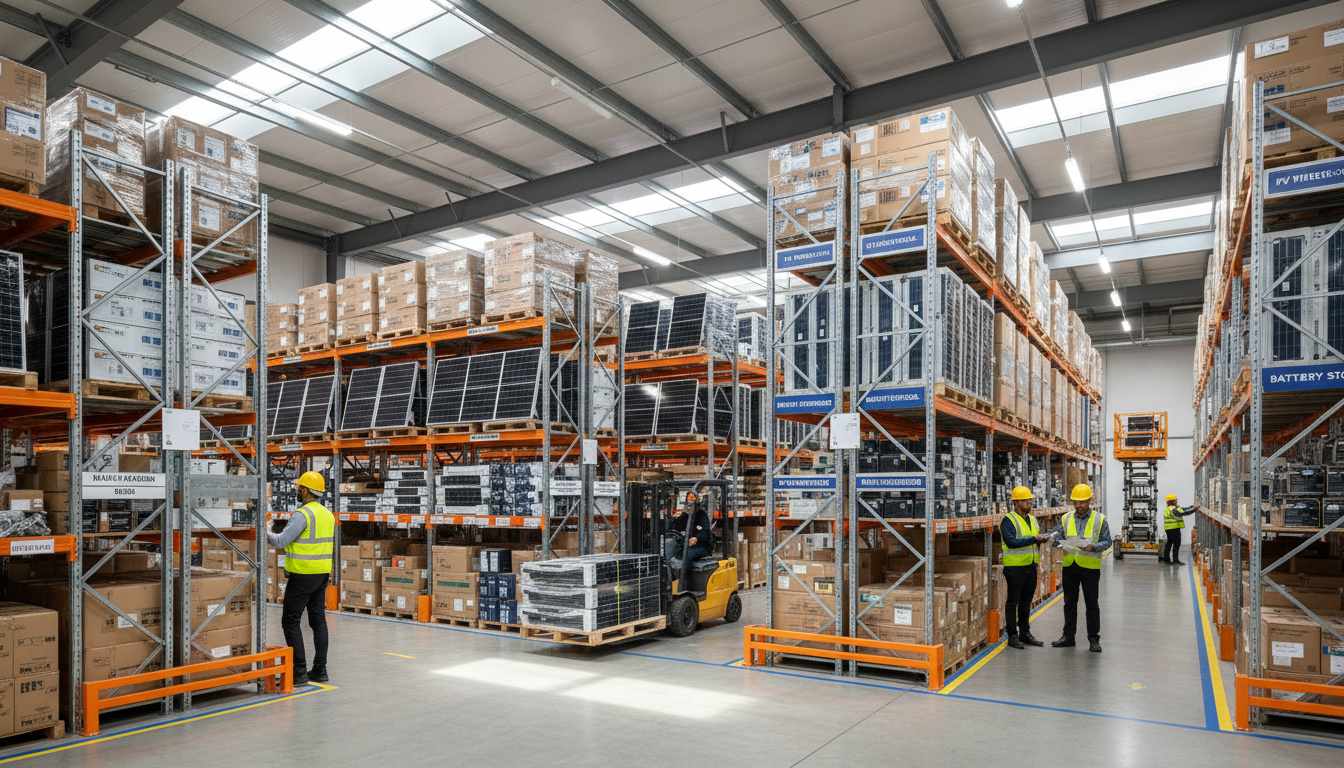
One of the primary trends is the implementation of solar energy systems. These systems not only lower operational costs but also contribute to a sustainable future. Moreover, energy-efficient lighting, such as LED fixtures, is becoming standard, providing substantial energy savings while maintaining optimal illumination.
Automation and Smart Warehousing
Automation is revolutionizing the warehousing sector. The introduction of smart technologies, including AI and IoT, is making operations more efficient and sustainable. Automated systems optimize inventory management, reducing waste and improving resource allocation.
Smart sensors and devices monitor energy usage in real-time, allowing warehouses to adjust and minimize unnecessary consumption. This proactive approach not only saves energy but also reduces operational costs, making it a win-win for businesses and the environment.

Optimizing Space and Resources
Efficient use of space is another key aspect of sustainable warehousing. Innovative storage solutions, like vertical racking systems, maximize space utilization and reduce the need for additional warehouse construction. This approach helps in conserving land and resources.
Additionally, the implementation of recycling programs within warehouses is becoming more prevalent. These programs focus on reducing waste by recycling packaging materials and repurposing obsolete equipment, aligning with the principles of a circular economy.
Transportation and Logistics Innovations
The future of sustainable warehousing in Lakeland also hinges on advancements in transportation and logistics. The shift towards electric and hybrid vehicles for transporting goods is gaining momentum. These vehicles produce fewer emissions, contributing to cleaner air and a healthier environment.

Moreover, optimizing delivery routes using advanced software reduces fuel consumption and enhances delivery efficiency. By integrating these technologies, warehouses can significantly lower their environmental impact while improving service delivery.
Collaboration and Community Engagement
Collaboration with local communities and stakeholders is essential in fostering sustainable practices. Warehouses are increasingly engaging with surrounding communities to support environmental initiatives and promote sustainability awareness.
By participating in local sustainability programs and sharing best practices, warehouses can play a pivotal role in driving positive environmental change. This collaborative effort not only enhances a company’s reputation but also strengthens community relations.

As Lakeland continues to grow, the commitment to sustainable warehousing practices will be crucial in ensuring that development is both economically viable and environmentally responsible. The integration of these trends highlights a promising future for the industry, paving the way for a more sustainable tomorrow.