
Seasonal Considerations for Investing in Lakeland's Industrial Properties
Understanding Lakeland's Industrial Property Market
Investing in industrial properties in Lakeland offers unique opportunities, especially when considering seasonal factors. The region’s economic landscape is influenced by various seasonal elements, which can impact investment strategies. Understanding these nuances can help investors make informed decisions.
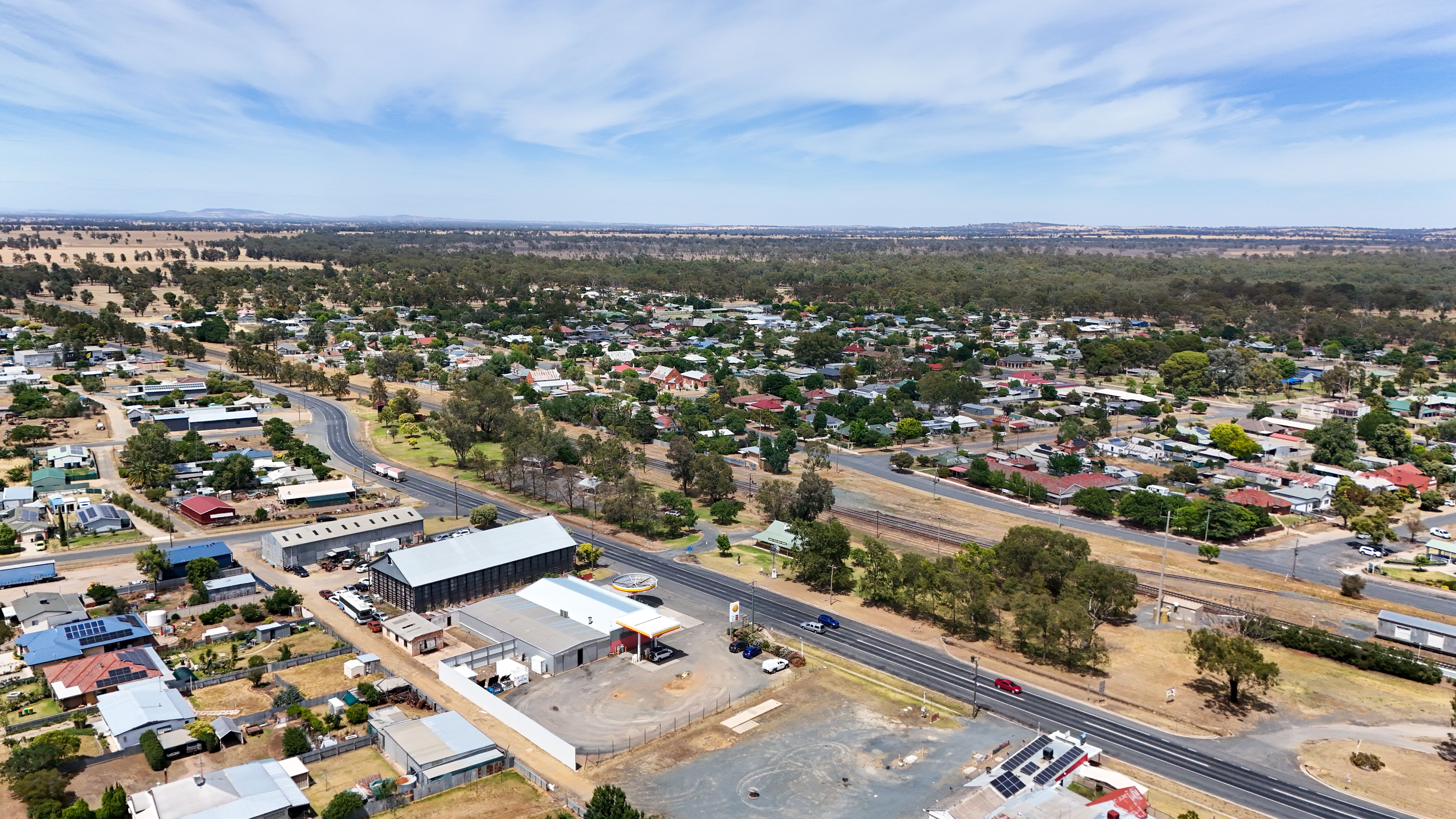
One of the primary considerations is the impact of weather on property conditions and accessibility. Lakeland experiences significant weather variations throughout the year, which can affect infrastructure and logistics. Investors should assess how these seasonal changes might influence property maintenance and operational costs.
Seasonal Demand Patterns
Another crucial factor is the seasonal demand for industrial spaces. Different industries may experience peak periods at various times of the year. For example, the retail sector often ramps up its operations before the holiday season, leading to increased demand for warehousing and distribution facilities.
By analyzing these patterns, investors can identify the best times to enter the market or negotiate leases. Understanding when demand spikes can also assist in setting competitive rental rates, maximizing returns on investment.
Economic Indicators and Trends
Economic trends in Lakeland can also vary with the seasons. The agricultural sector, for instance, plays a significant role in the local economy and is heavily reliant on seasonal cycles. Fluctuations in this industry can indirectly affect industrial property demand, especially for storage and processing facilities.

Investors should monitor economic indicators such as employment rates and consumer spending during different seasons. These factors can provide insights into the overall health of the industrial property market and help anticipate shifts in demand.
Infrastructure and Transportation
Infrastructure developments in Lakeland can be influenced by seasonal factors as well. Road conditions, for instance, may vary, impacting transportation and logistics for industrial operations. Planning for these changes can mitigate potential disruptions and enhance the efficiency of property management.
Investors should consider proximity to major transportation hubs and the reliability of infrastructure during different seasons. This can be a decisive factor in the long-term viability of an industrial property investment.

Adapting Investment Strategies
Adapting investment strategies to account for seasonal variations can yield significant benefits. Flexibility in lease terms and the ability to accommodate seasonal spikes in demand can enhance the attractiveness of industrial properties to potential tenants.
Investors should also explore opportunities for property enhancements that can withstand seasonal challenges, such as weatherproofing and energy-efficient upgrades. These improvements can increase property value and appeal to environmentally conscious businesses.
Conclusion
Seasonal considerations are vital in shaping successful investment strategies for Lakeland's industrial properties. By understanding weather impacts, demand patterns, and economic trends, investors can position themselves to capitalize on the unique opportunities presented by this dynamic market.